Cultural perspectives on gambling exploring the diverse beliefs and practices worldwide
Historical Context of Gambling Across Cultures
Gambling has existed in various forms throughout human history, reflecting the values and beliefs of different cultures. In ancient civilizations, such as China and Greece, gambling was often integrated into religious practices and social gatherings. Dice, used as early as 3000 BC, reveal that people engaged in games of chance as a means of divination, determining fate, and establishing social order. It’s interesting to note that while exploring these traditions, one might also discover alternatives like non gamstop casinos that add unique dimensions to the gaming experience.

The role of gambling varied significantly from one culture to another. In some societies, it was viewed as an entertainment form, while in others, it was strictly regulated or prohibited due to moral beliefs. The evolution of gambling practices illustrates how cultural attitudes shape behaviors and societal norms surrounding chance and luck.
Modern Perspectives on Gambling
In contemporary society, gambling has transformed into a global industry, driven by technological advancements and changing social norms. Countries like the United States embrace a more liberal approach, with casinos and online platforms proliferating, while others maintain stringent laws prohibiting gambling activities. This divergence highlights the cultural interpretations of gambling as either a form of leisure or a potential societal harm.
The gambling landscape is also influenced by ethical considerations, with discussions surrounding responsible gambling becoming increasingly relevant. Many cultures emphasize moderation, advocating for awareness of addiction risks and promoting practices that protect vulnerable individuals while still allowing for recreational participation.
Cultural Rituals and Gambling Practices
Across various cultures, gambling often intertwines with local rituals and celebrations. In many Indigenous cultures, games of chance are not only recreational but also serve as important social events, reinforcing community bonds and cultural identity. For example, the use of traditional games during festivals highlights the significance of gambling as a cultural heritage rather than mere entertainment.
The Impact of Technology on Gambling Culture
Advancements in technology have dramatically changed the gambling landscape, enabling the emergence of online casinos and mobile gaming applications. These platforms cater to a global audience, blurring geographical and cultural boundaries. The ease of access and the ability to gamble anonymously have raised both excitement and concern regarding responsible gambling practices.
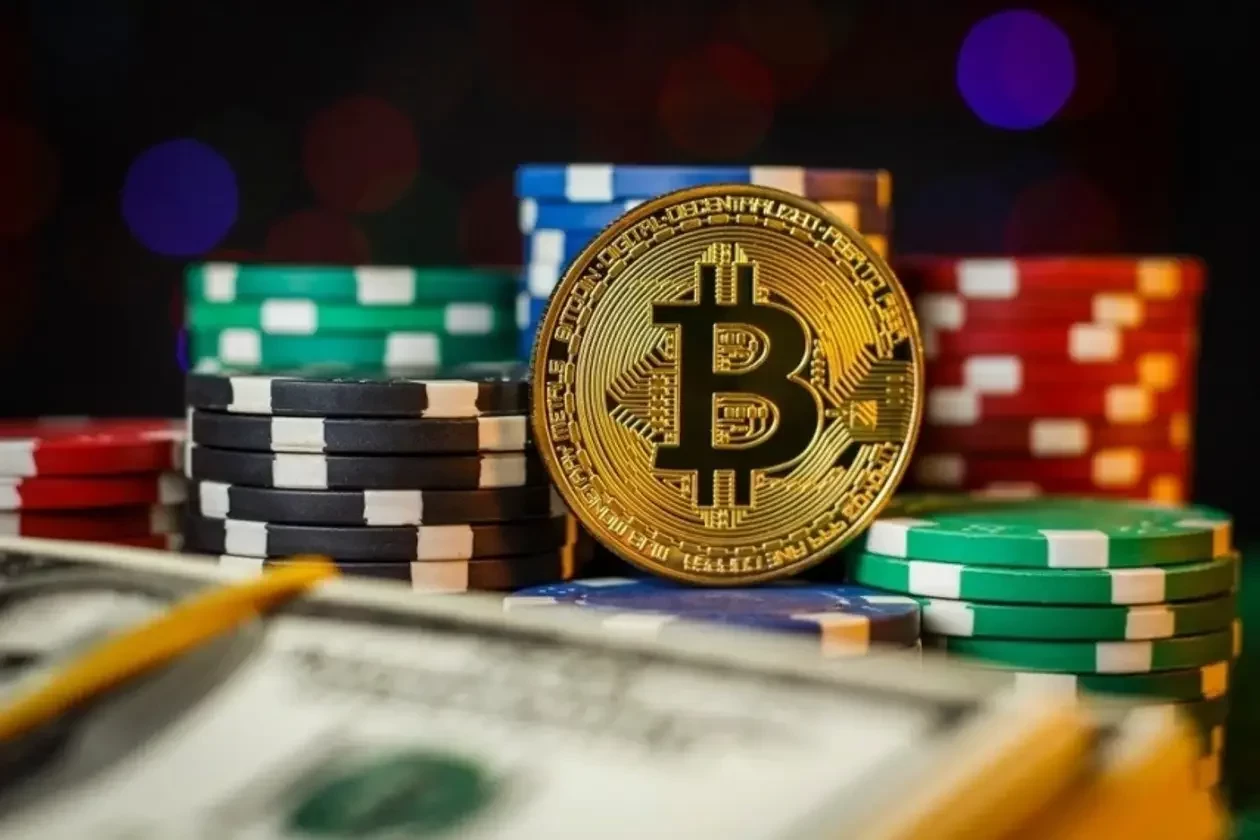
Join the Conversation on Responsible Gambling
As we explore the diverse beliefs and practices surrounding gambling worldwide, it becomes clear that cultural perspectives play a crucial role in shaping attitudes toward this activity. Responsible gambling is a vital topic that invites open discussion and shared experiences among individuals and communities. By understanding various cultural attitudes, we can foster a more inclusive dialogue about gambling practices and promote healthier approaches.